
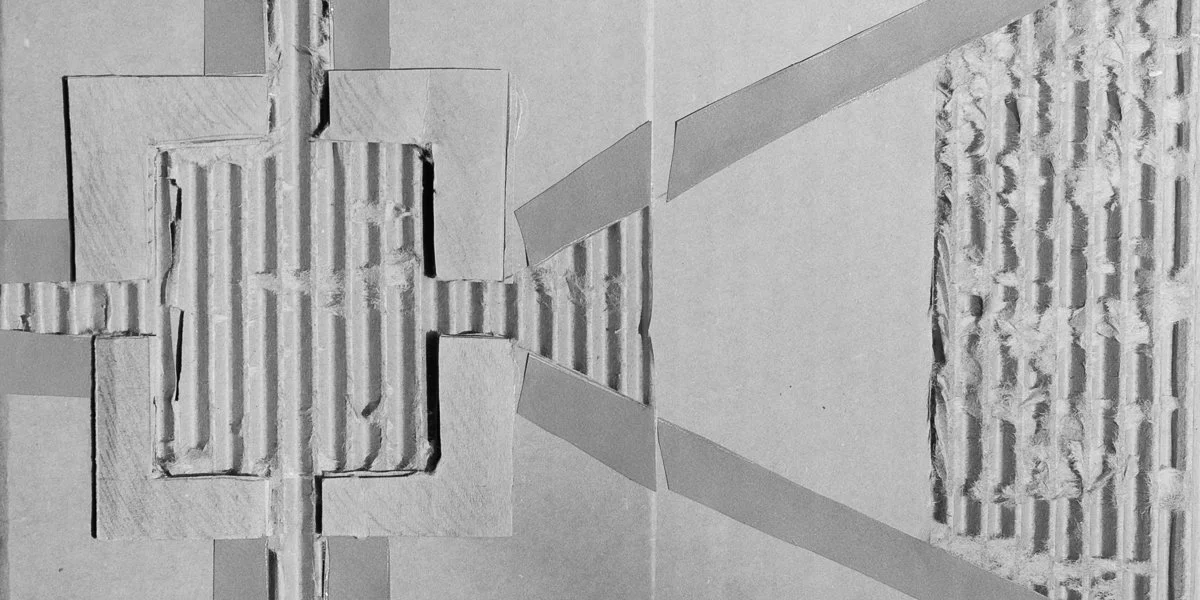
Student project investigating the elements of place making
MYTHICAL BEGINNINGS
A study of architecture, mythology, and the origins of place
In The Ten Books on Architecture, first century Roman architect Marcus Vitruvius uses myth to describe the origins of the dwelling house and, with it, the beginnings of architecture.
My study of this text began during graduate work at the University of Virginia with architect and professor Robin Dripps, whose teaching and scholarship, including The First House: Myth, Paradigm, and the Task of Architecture, explored the significance of Vitruvius’s account of the primitive dwelling.
Drawing upon this foundation, I developed Mythical Beginnings as a way of introducing architectural thinking to younger students outside of architecture school. Through narrative, diagramming, and model-making, students explored fundamental questions of placemaking: center, space, boundary, entrance, geometry, and structure. These elements recur at every scale of architecture from the dwelling house to the building to the city.
And they raise enduring questions:
What is at the center?
What is the purpose of the space?
How is the space defined?
What are the boundaries?
How does the boundary respond to the inside?
How does the boundary respond to the outside?
How is the outside brought inside?
How is the inside brought outside?
How are entrances made?
These are the questions of architecture.
STUDENT PROJECTS
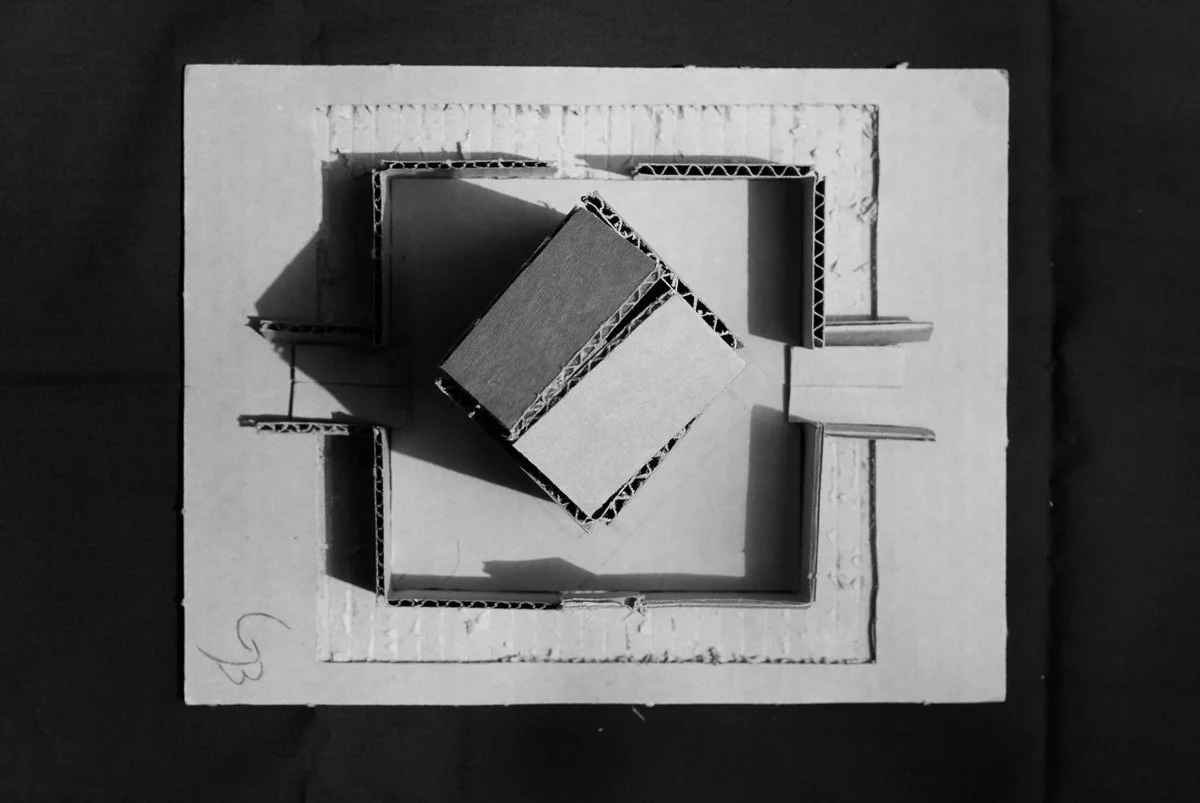
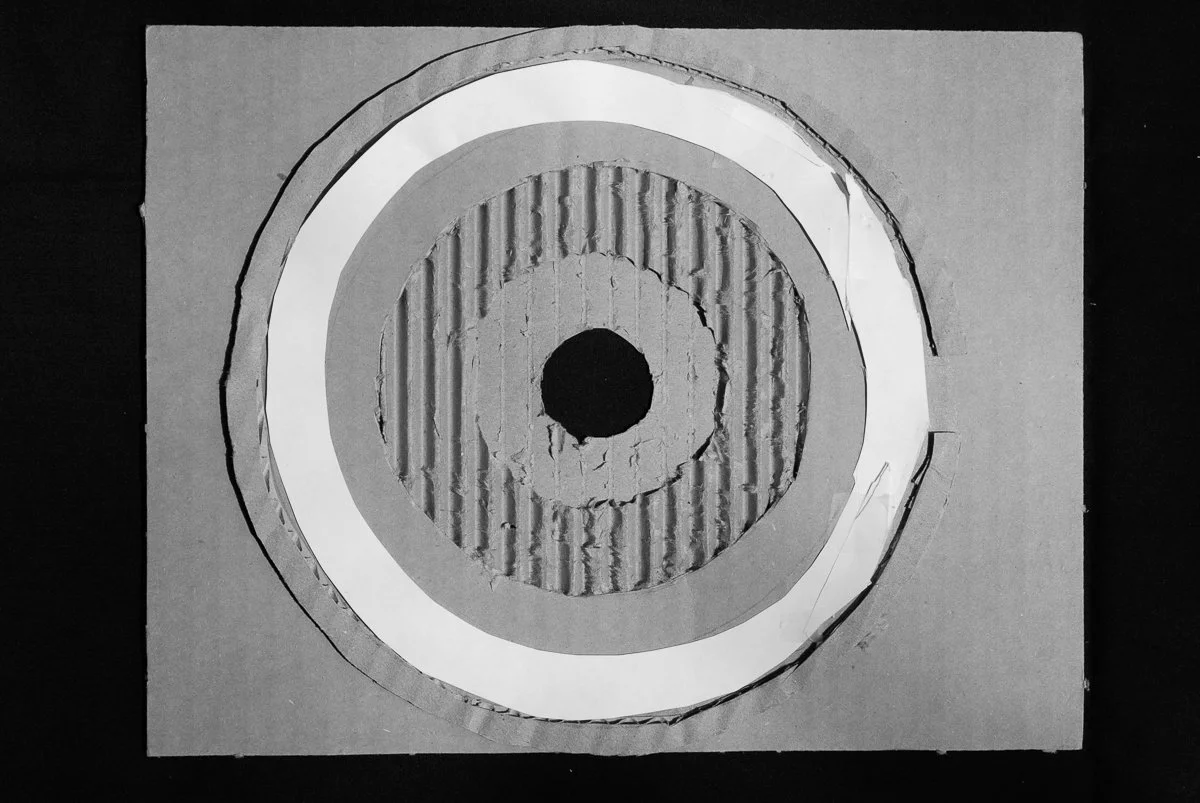
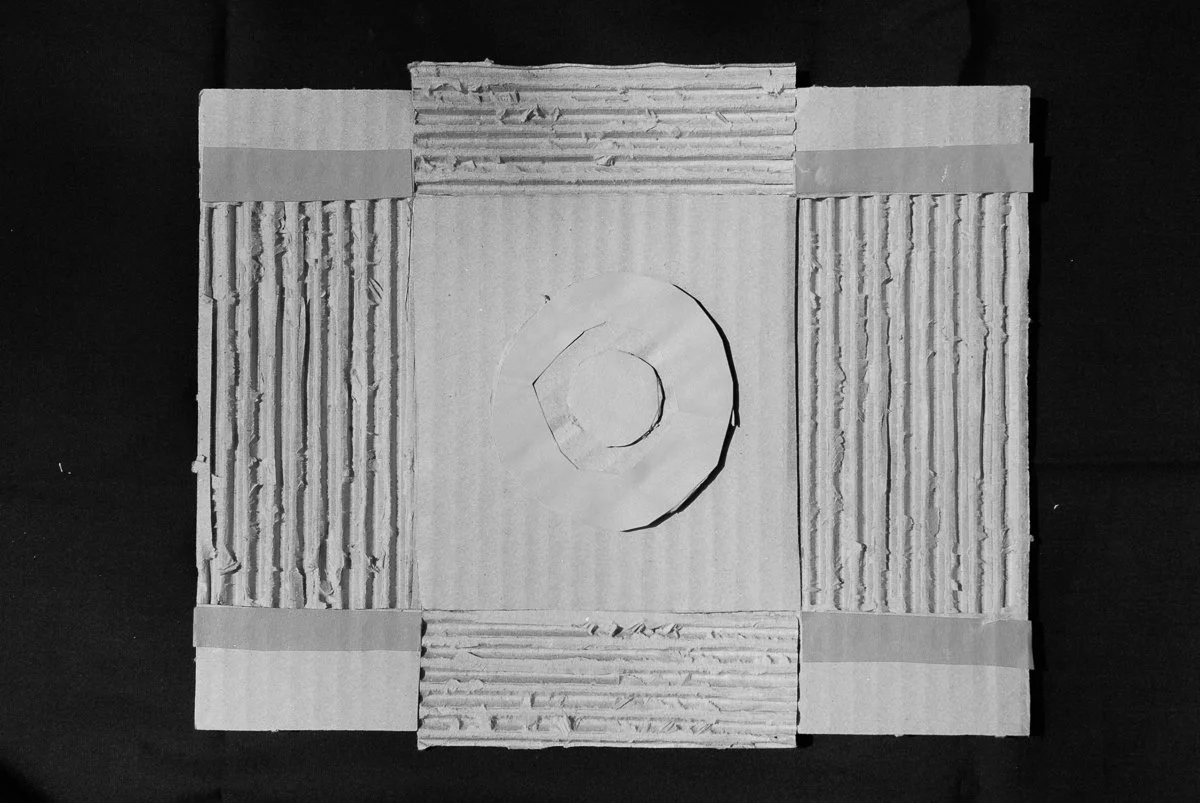
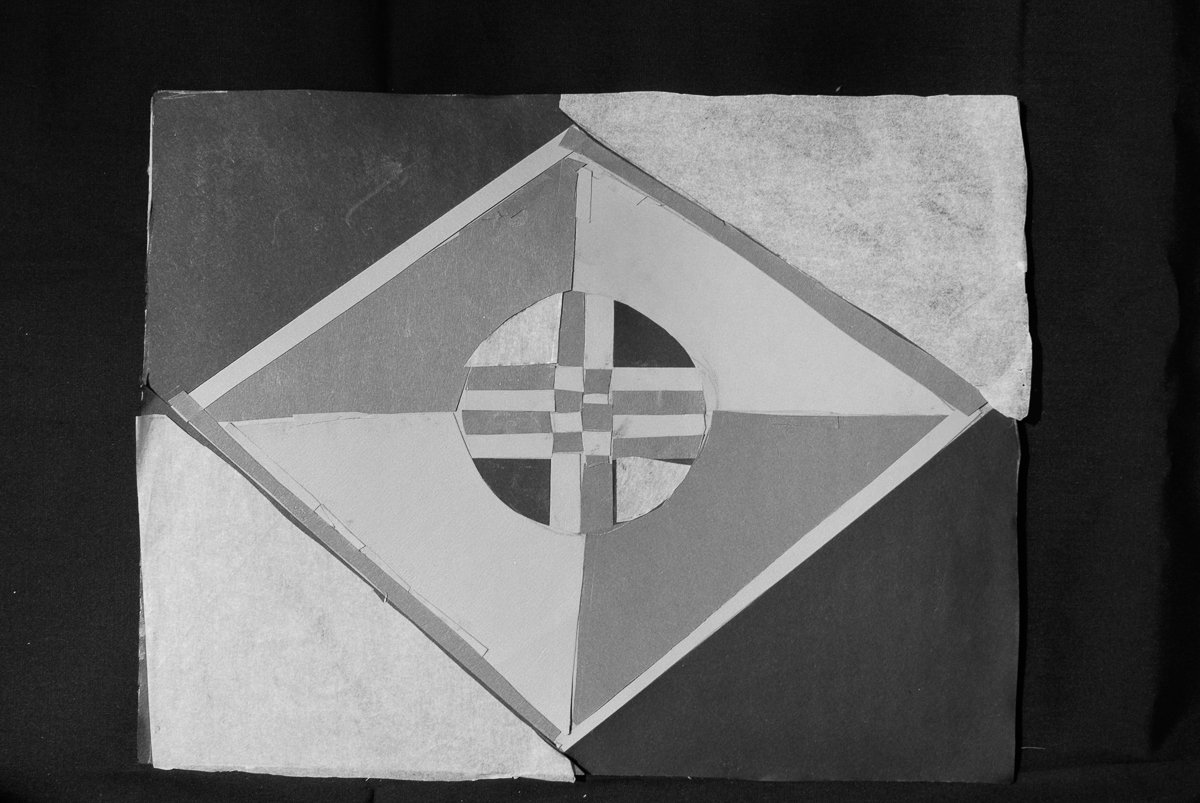
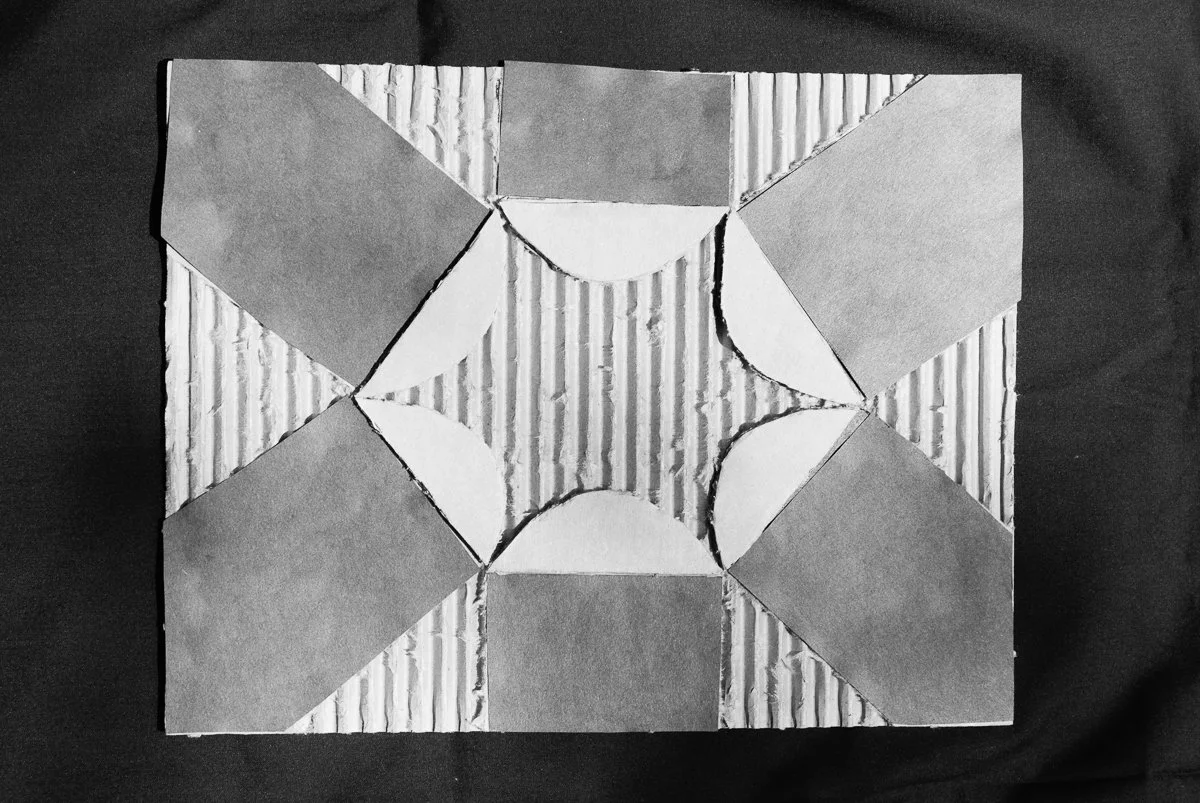
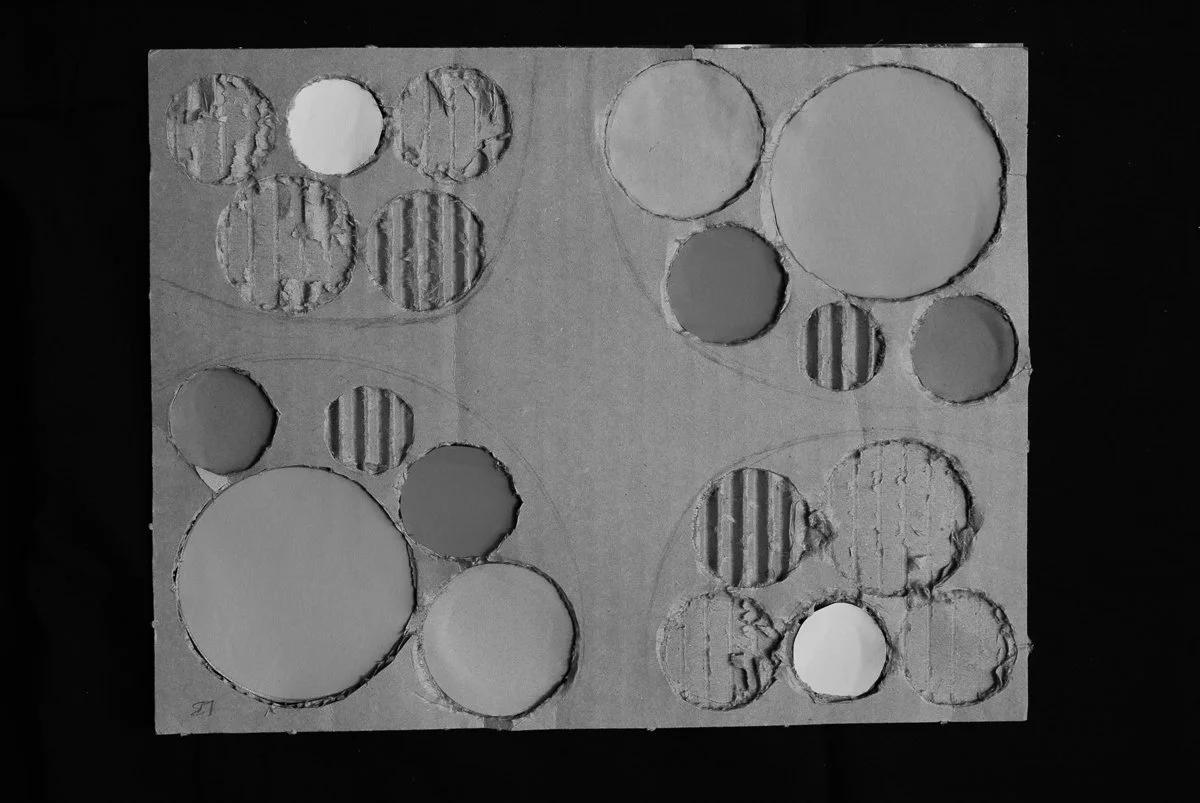
Using cardboard and colored paper, students translated these ideas into two- and three-dimensional studies of a place for gathering.
INFLUENCES & SOURCES
Vitruvius, The Ten Books on Architecture
Robin Dripps, The First House: Myth, Paradigm, and the Task of Architecture