Architectural Lectures & Workshops
vectornator.io
The Architecture of Antiquity
What make a building beautiful? Dictionaries define architecture as the art or practice of designing and constructing buildings with some regard to aesthetics, but what governs aesthetics in buildings? Why do we perceive some buildings as attractive and others as down-right ugly? What are the principles that govern good design? These are some of the questions we will investigate as we study the “Architecture of Antiquity.”
Vitruvius studied examples of beautiful buildings and wrote about them in his treatise, The Ten Books on Architecture. In his book, he lists the fundamental principles of good design that produce beautiful buildings as:
Order, Arrangement, Eurythmy, Symmetry, Propriety and Economy.
In this workshop, we define these terms and then take an in-depth look at order or proportion. Proportion in architecture refers to the proper or harmonious relationship of one part to another or to the whole building. One such proportioning system is the Classical Orders, based on geometry, which we study in-depth in a separate workshop. In this course, we look at another proportional ordering system: the Golden Section, which is based on arithmetic and harmonics.
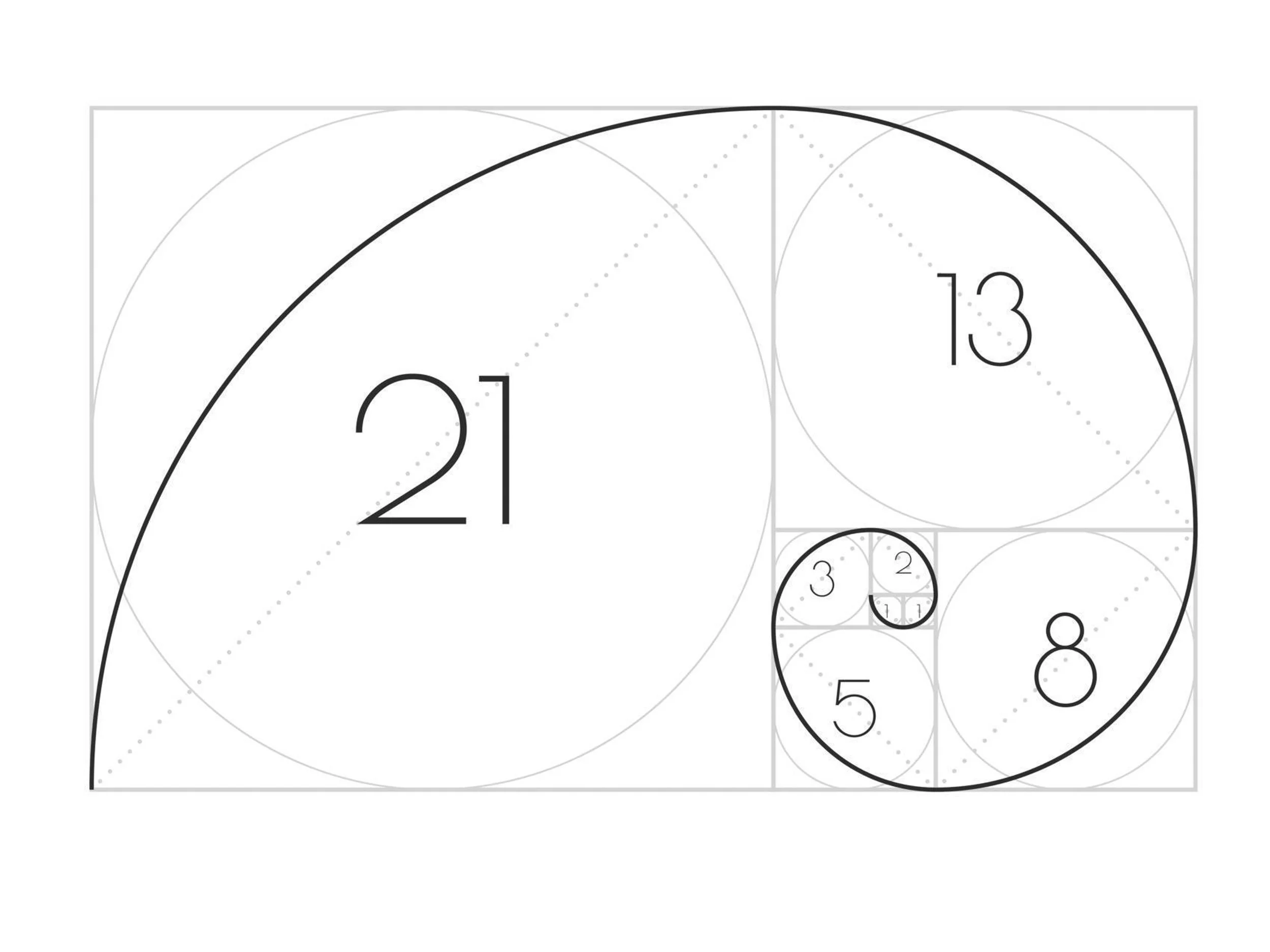
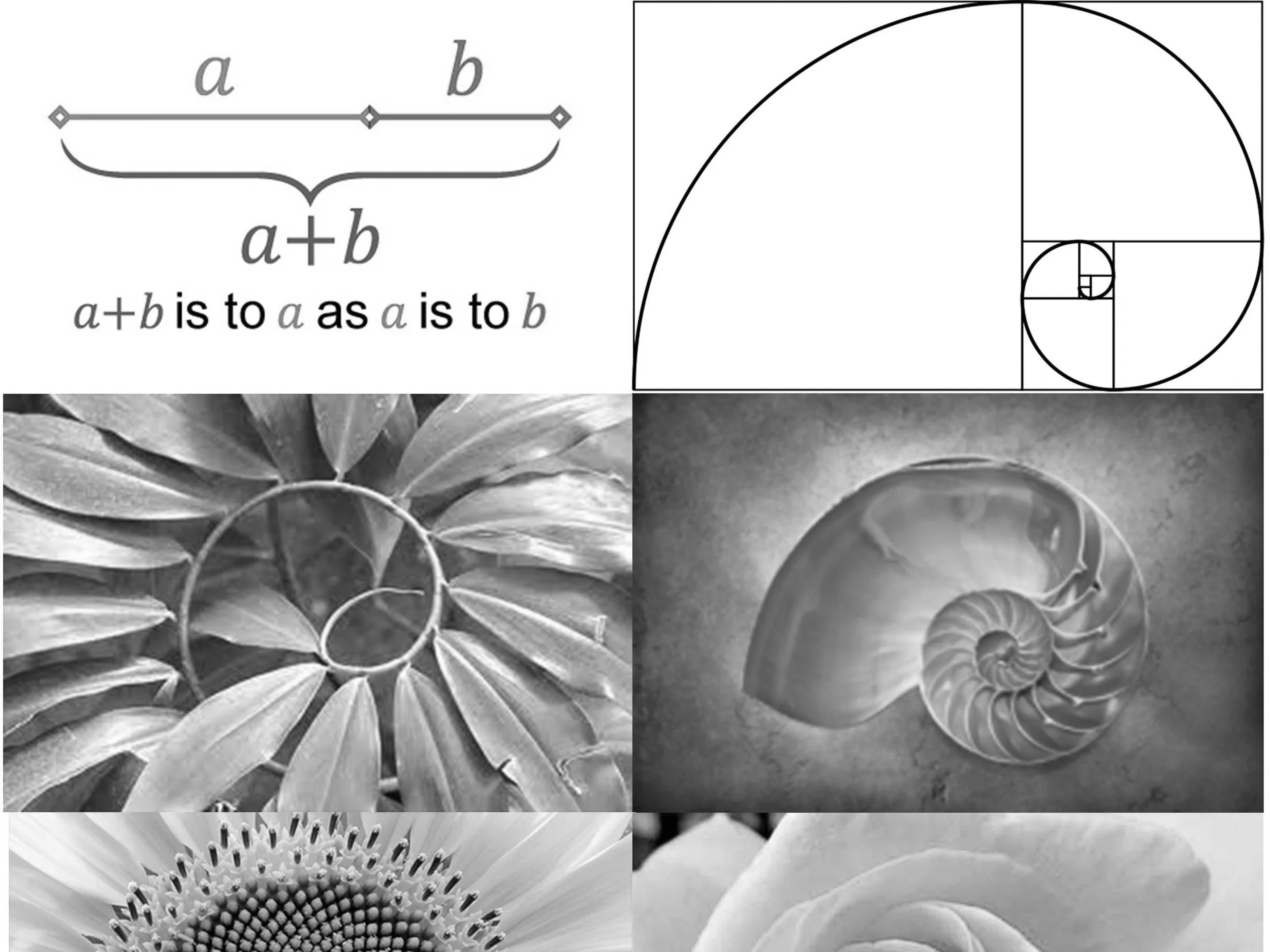
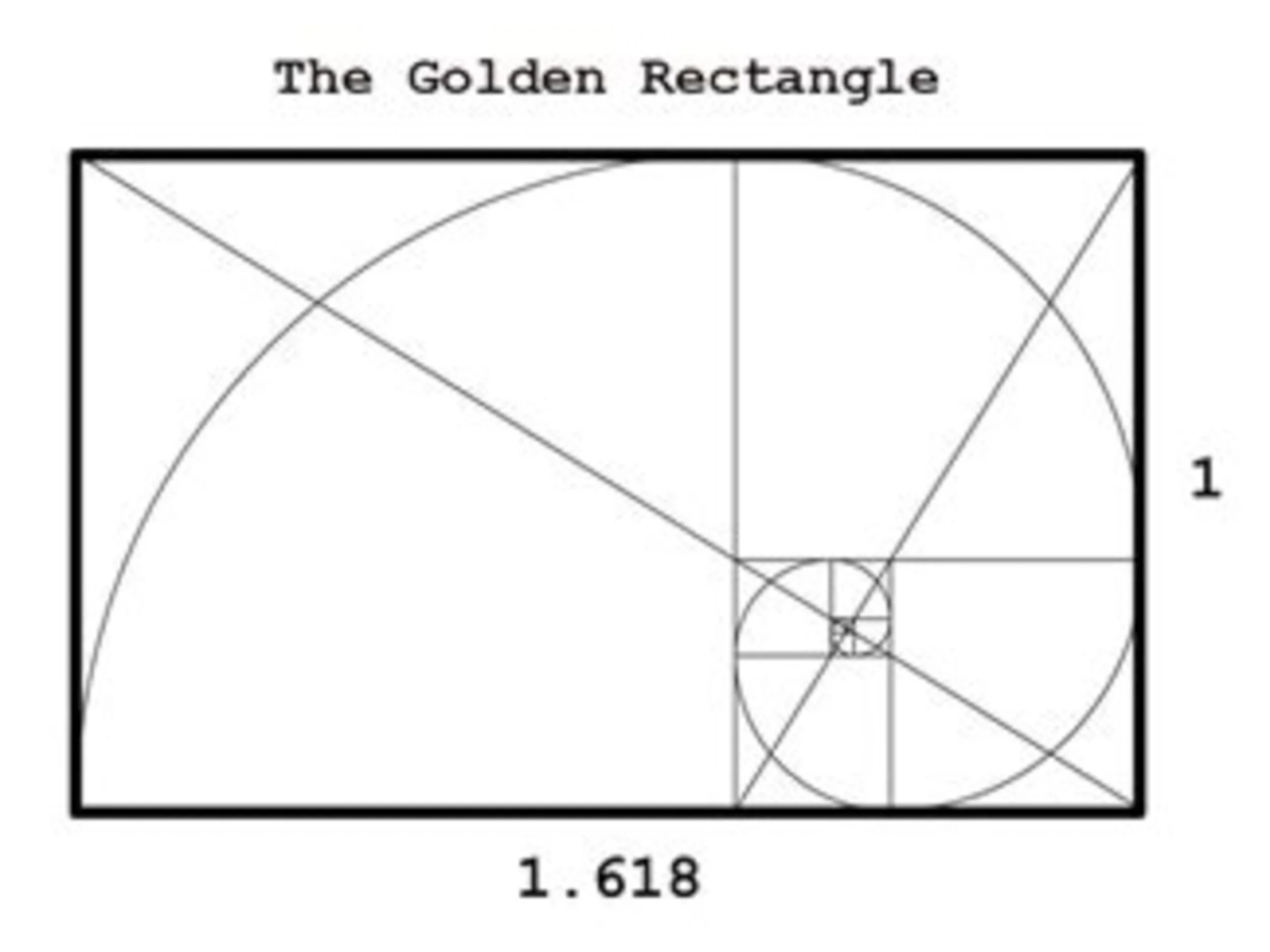
The Golden Section is a mathematical ratio between two sections of a line, in which the lesser of the two is to the greater as the greater is to the sum of both. The mathematical formula for the Golden Section is as follows:
a:b=b:(a+b) or a = b
b a+b
Alternatively, this relationship can be verbally described as:
a is to b, as b is to the whole.
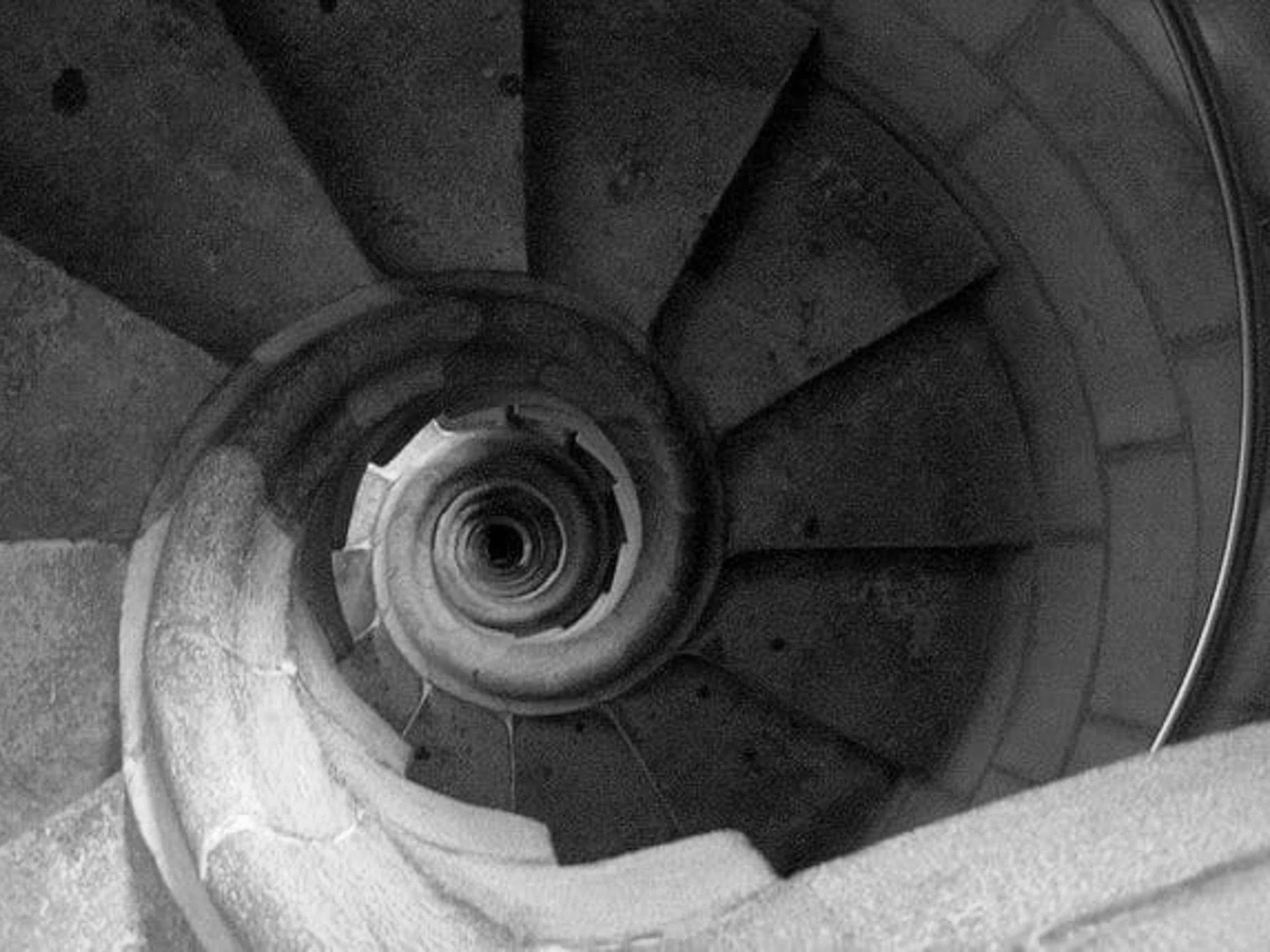
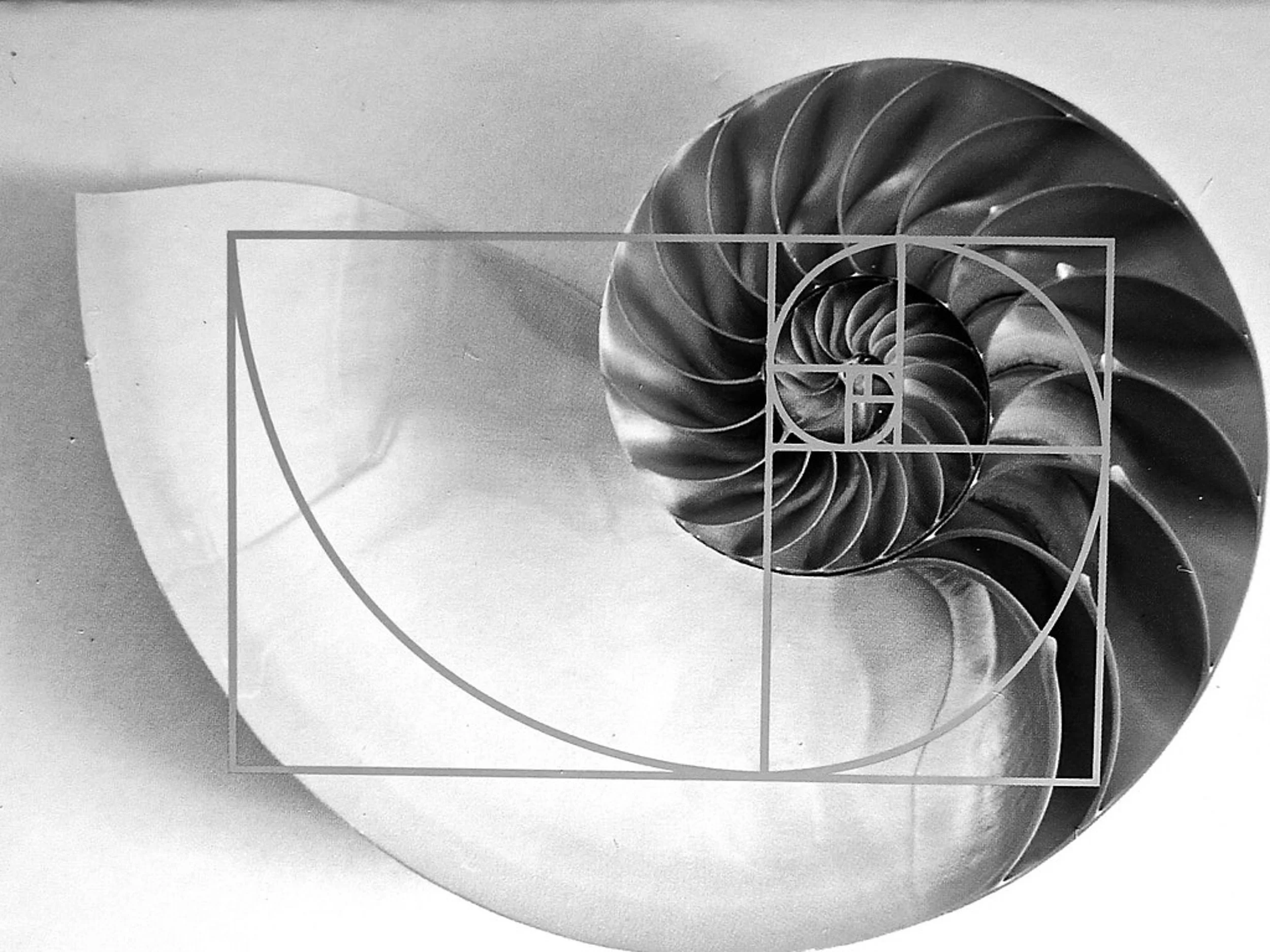
When we calculate the ratio of a+b/b when get a number called the Golden Mean, 1.61803398874989…, represented by the Greek letter phi. Phi is a naturally occurring number that appears in the growth patterns of many living things, like the spiral formed by a pinecone and the petals of flowers.
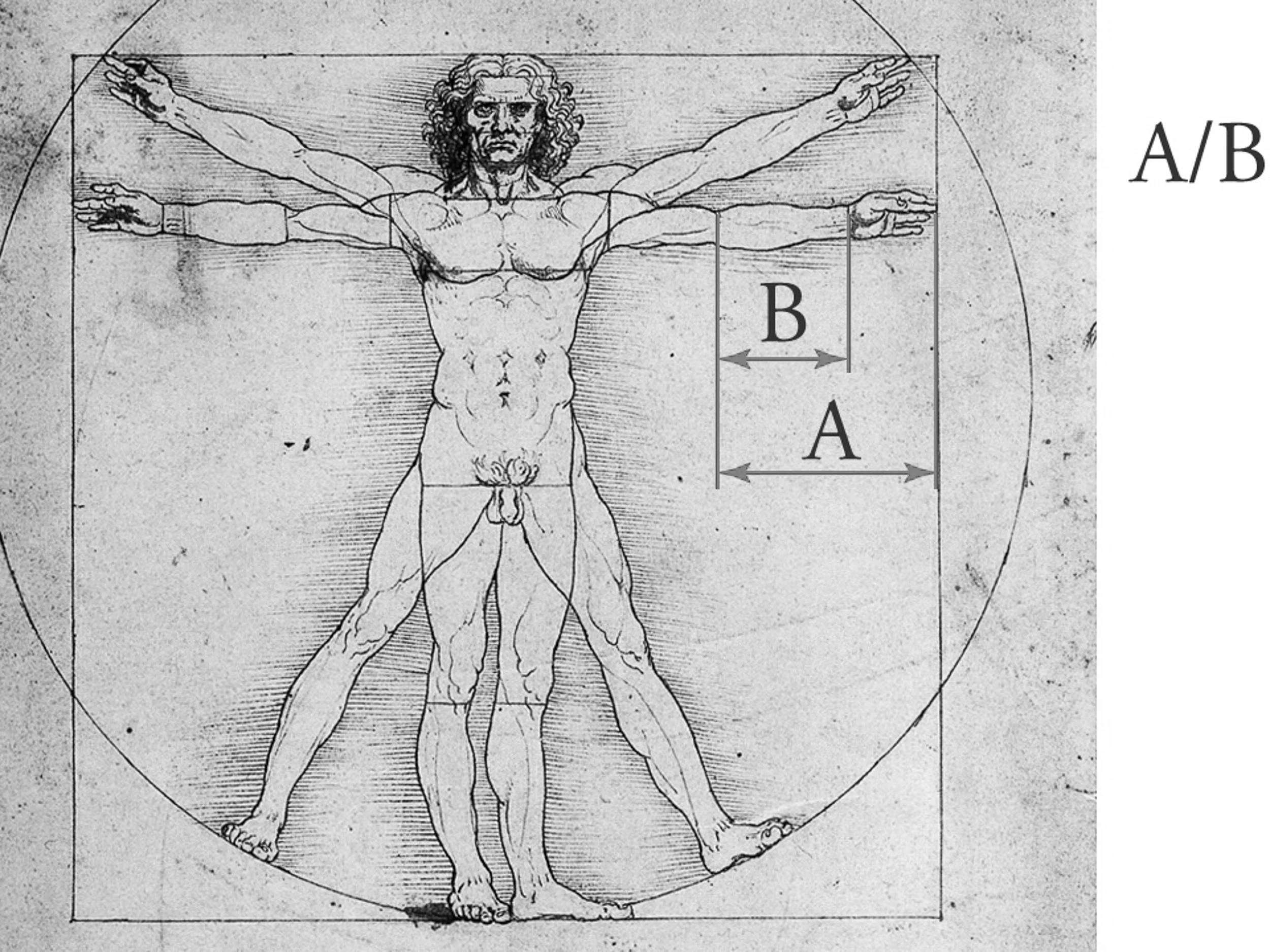
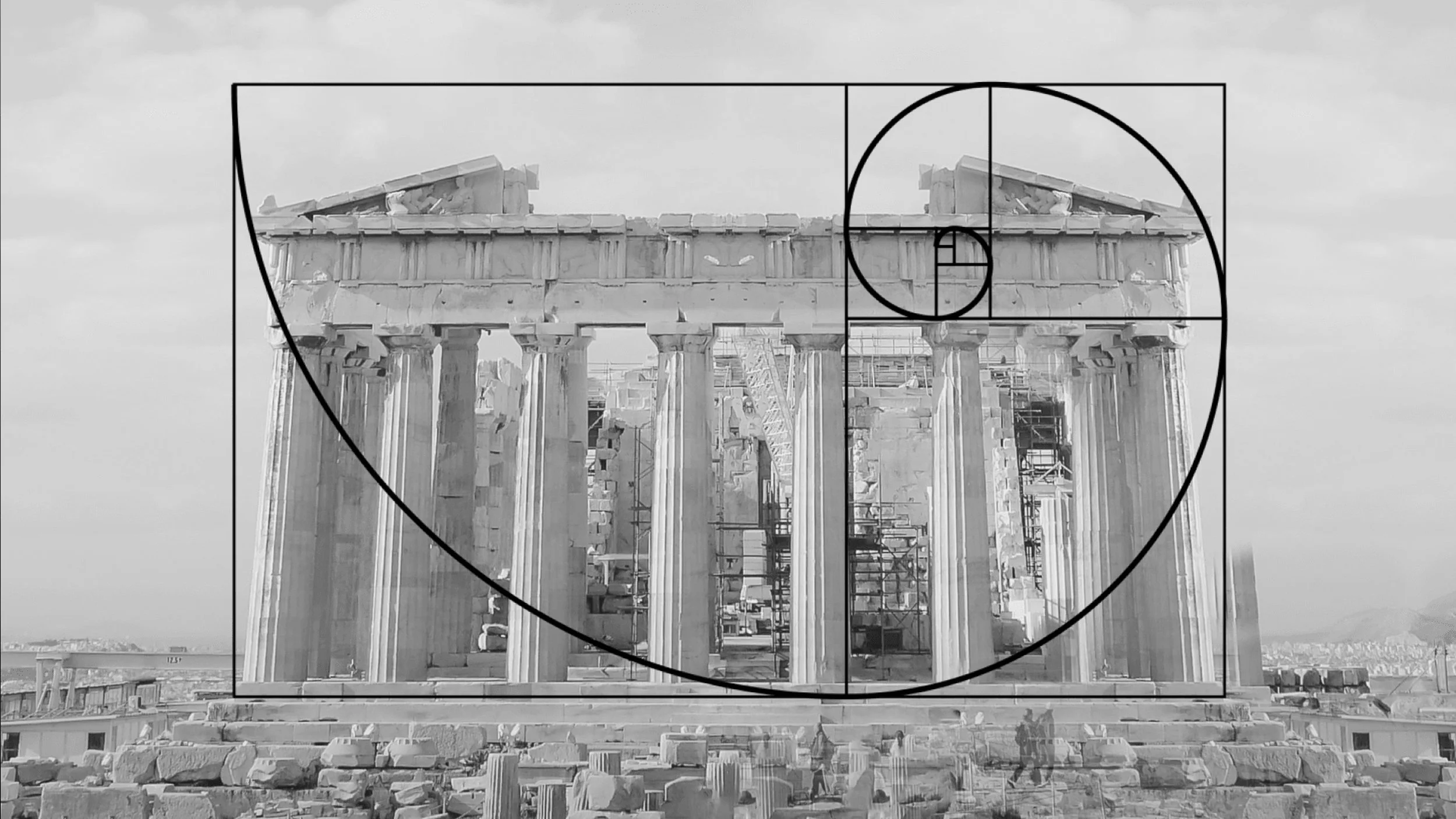
Ancient Greeks first studied what we now call the Golden Section, recognizing this proportioning system in the human body and describing it mathematically through geometry. The Greeks believed that the laws governing this mathematical ratio belonged to a higher universal order that was responsible for the harmonic structure of the universe. Wanting the structures housing their deities to belong to this same higher order, they applied this principle of proportion to their temple structures.
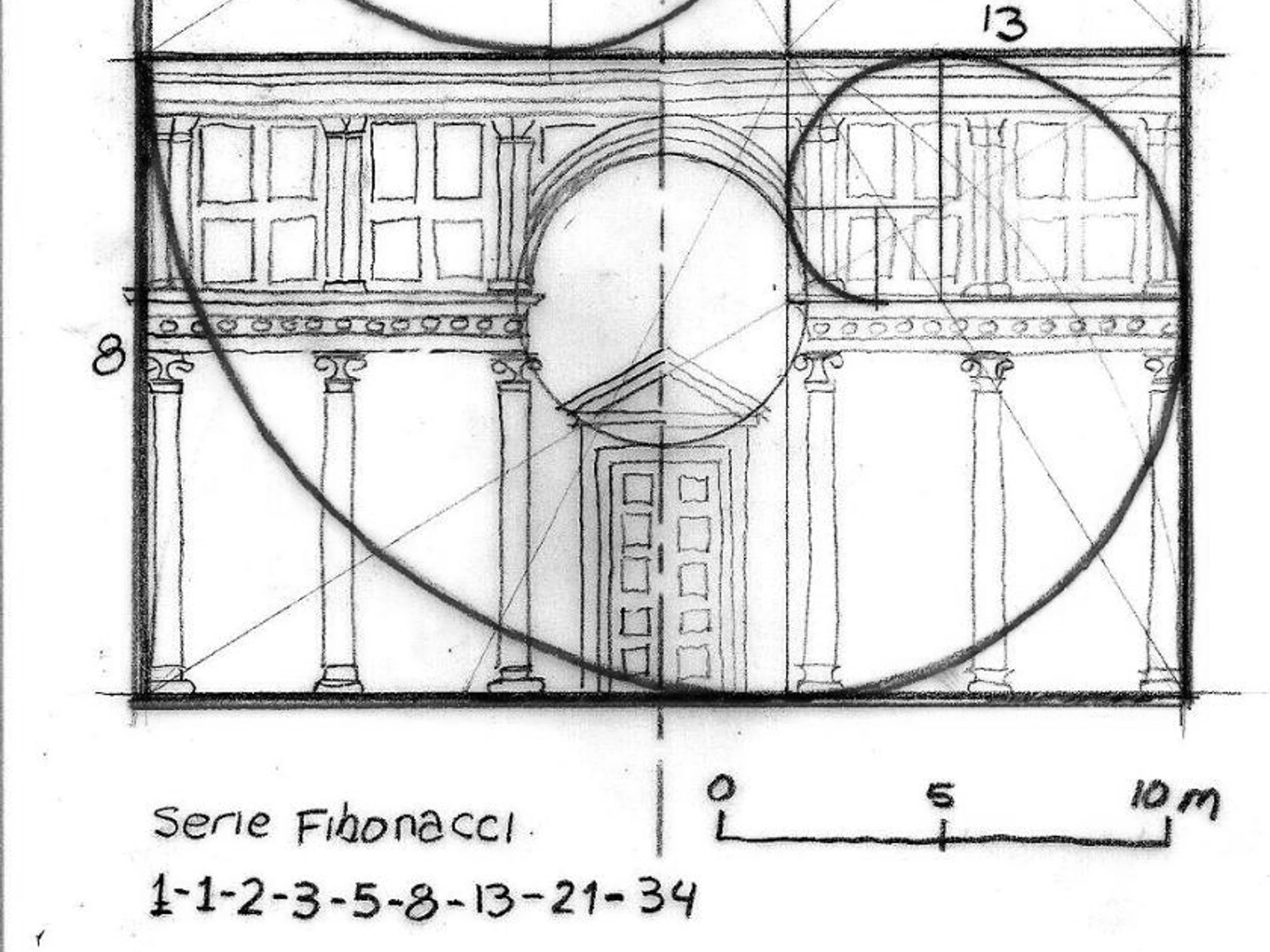
With a clear definition of this mathematical proportioning system, students construct a Golden Section using a ruler and a compass, measure its length and height, and compute the ratio. Students also analyze the proportions of the façade of the Pantheon using the Golden Section, overlaying the proportioning system on the front elevation.
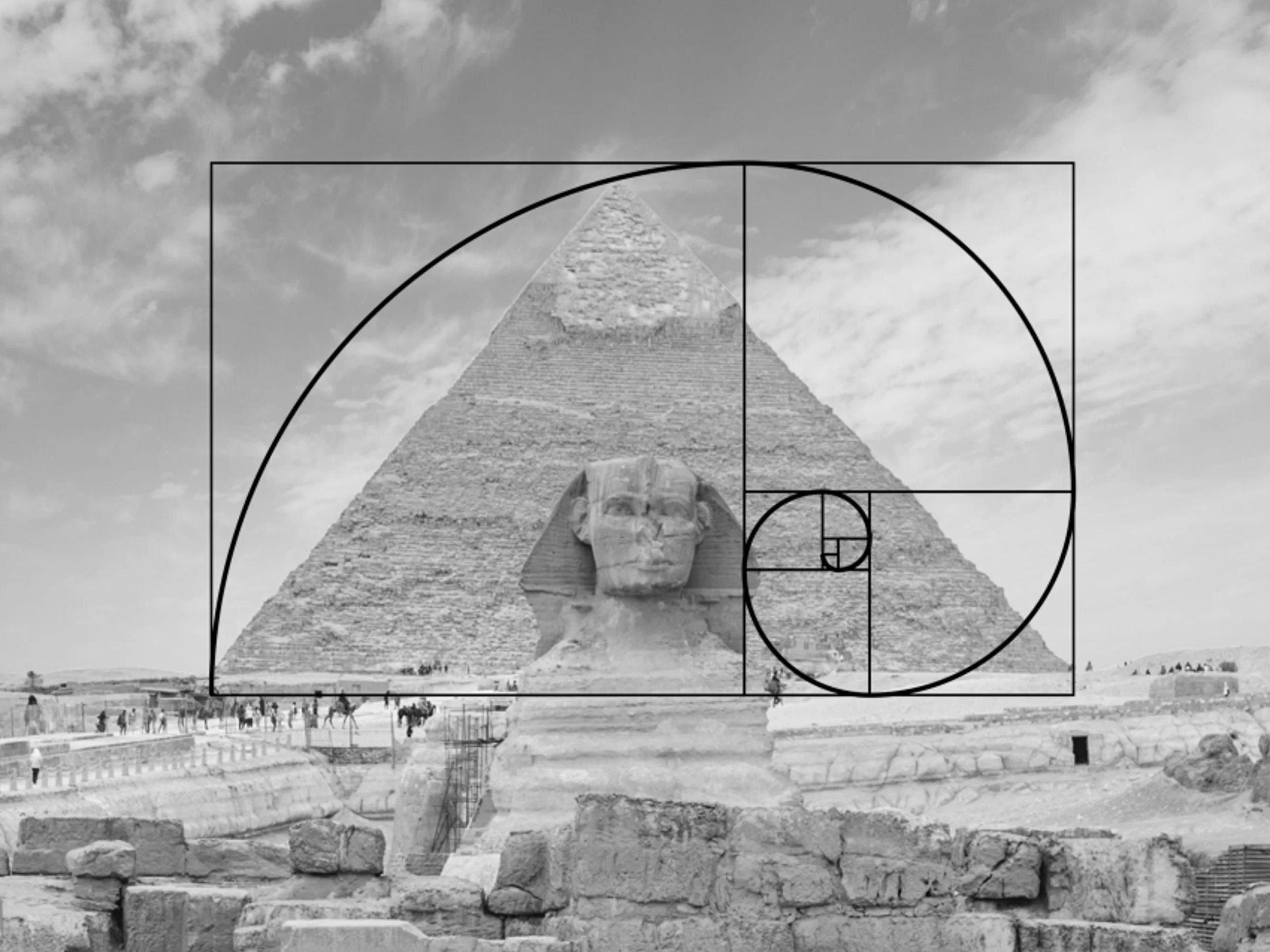
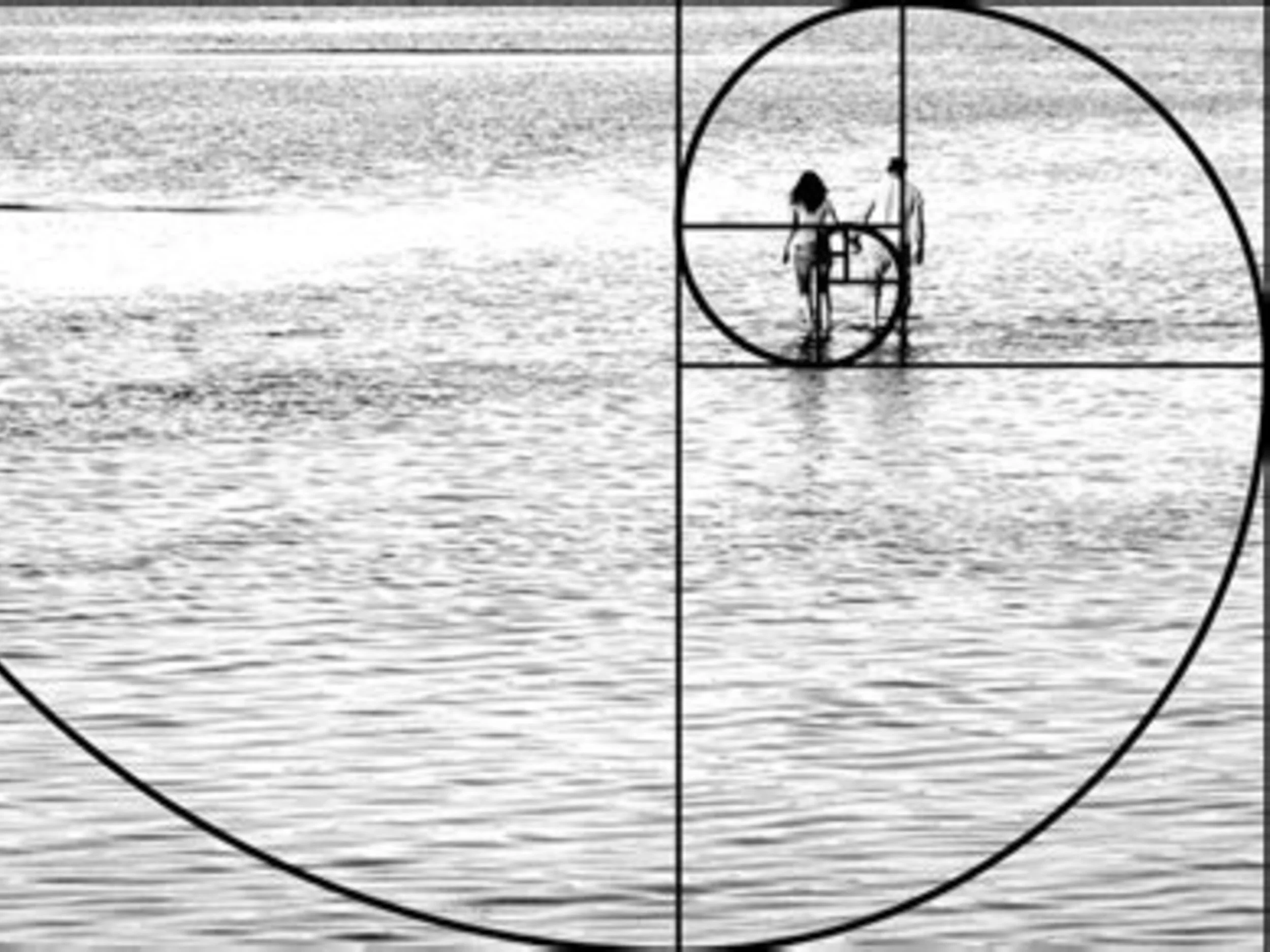
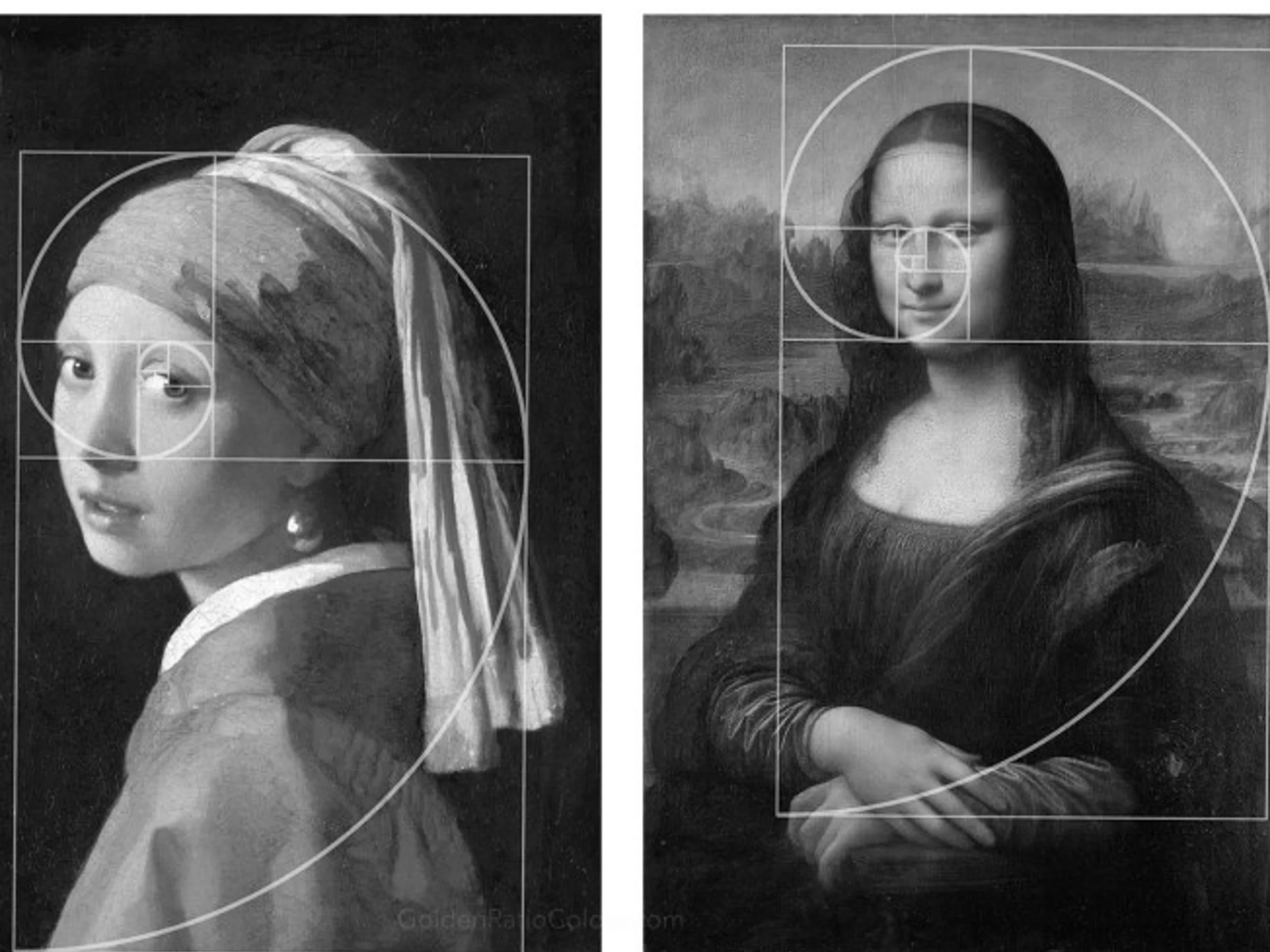
Finally the class looks at examples of the Golden Section in art, photography, and architecture, as well as examples occurring naturally in nature.