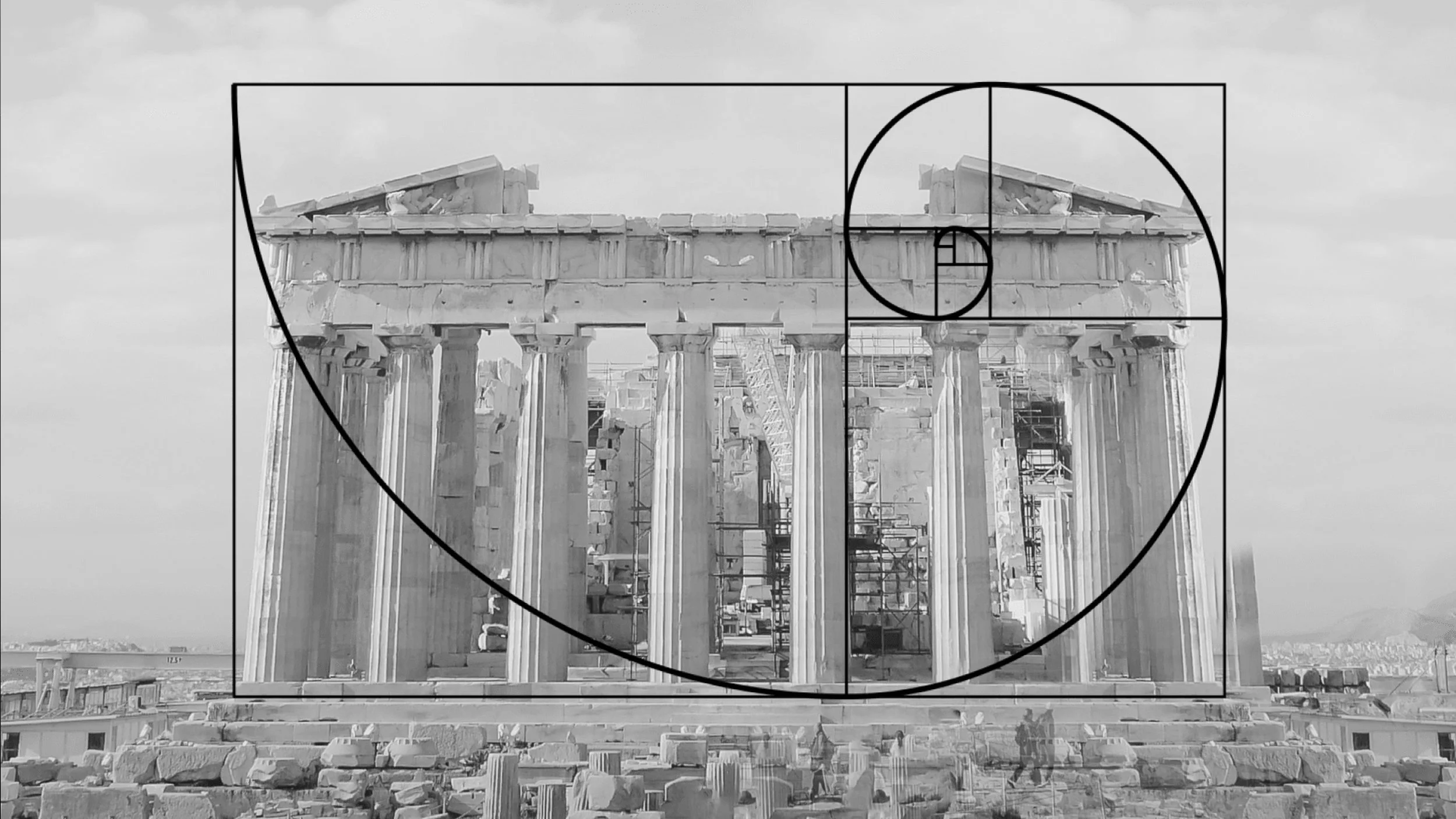
A proportional study of the Parthenon using the Golden Section
THE ARCHITECTURE OF ANTIQUITY
An exploration of beauty, proportion, and order in architecture
What governs our perception of harmony in architecture, and what principles have architects used to give order to the parts and the whole?
In The Ten Books on Architecture, Vitruvius identifies six fundamental principles of architectural design: order, arrangement, eurythmy, symmetry, propriety and economy. Central to these ideas is proportion— the harmonious relationship of one part to another and of the parts to the whole.
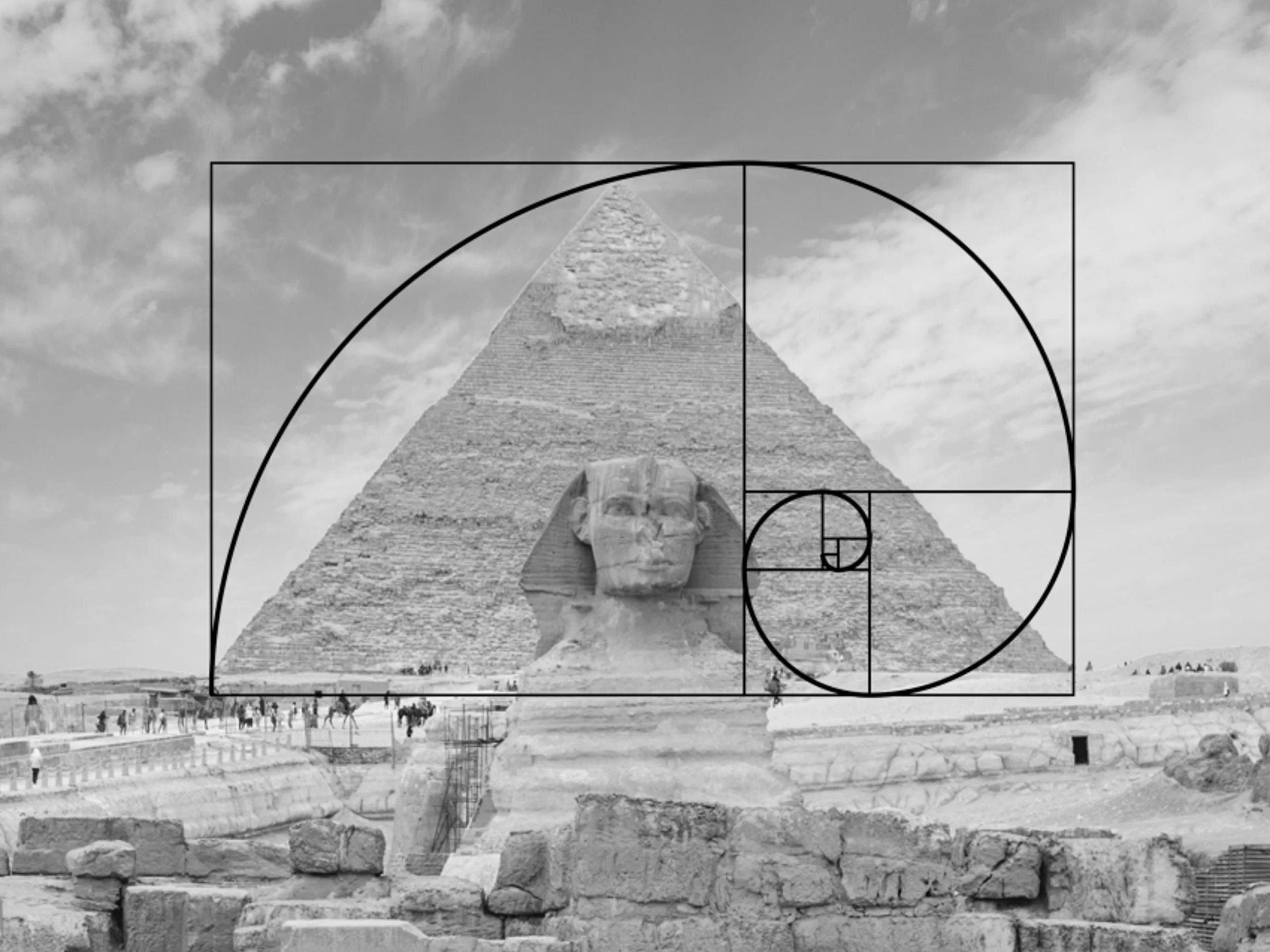
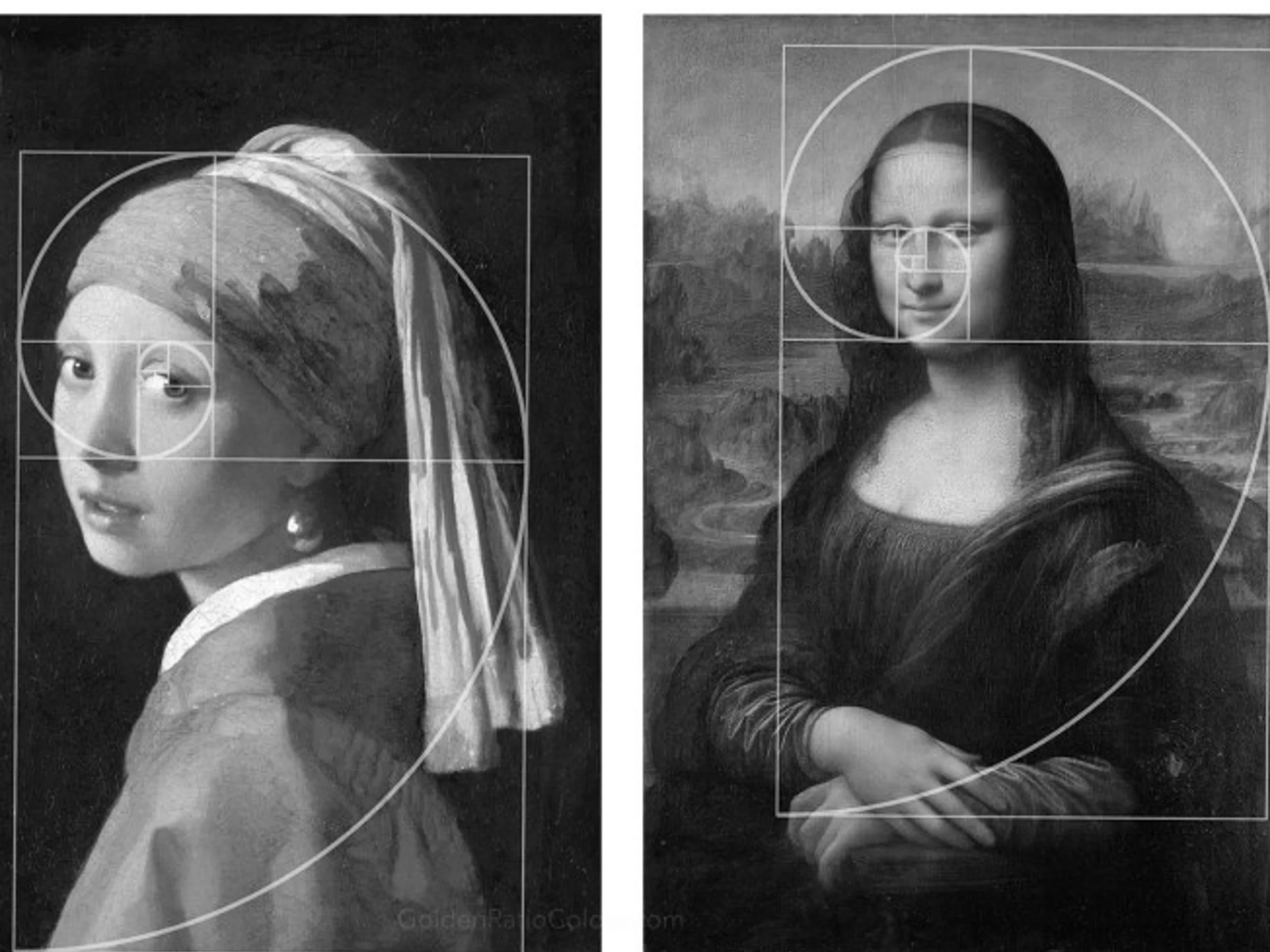
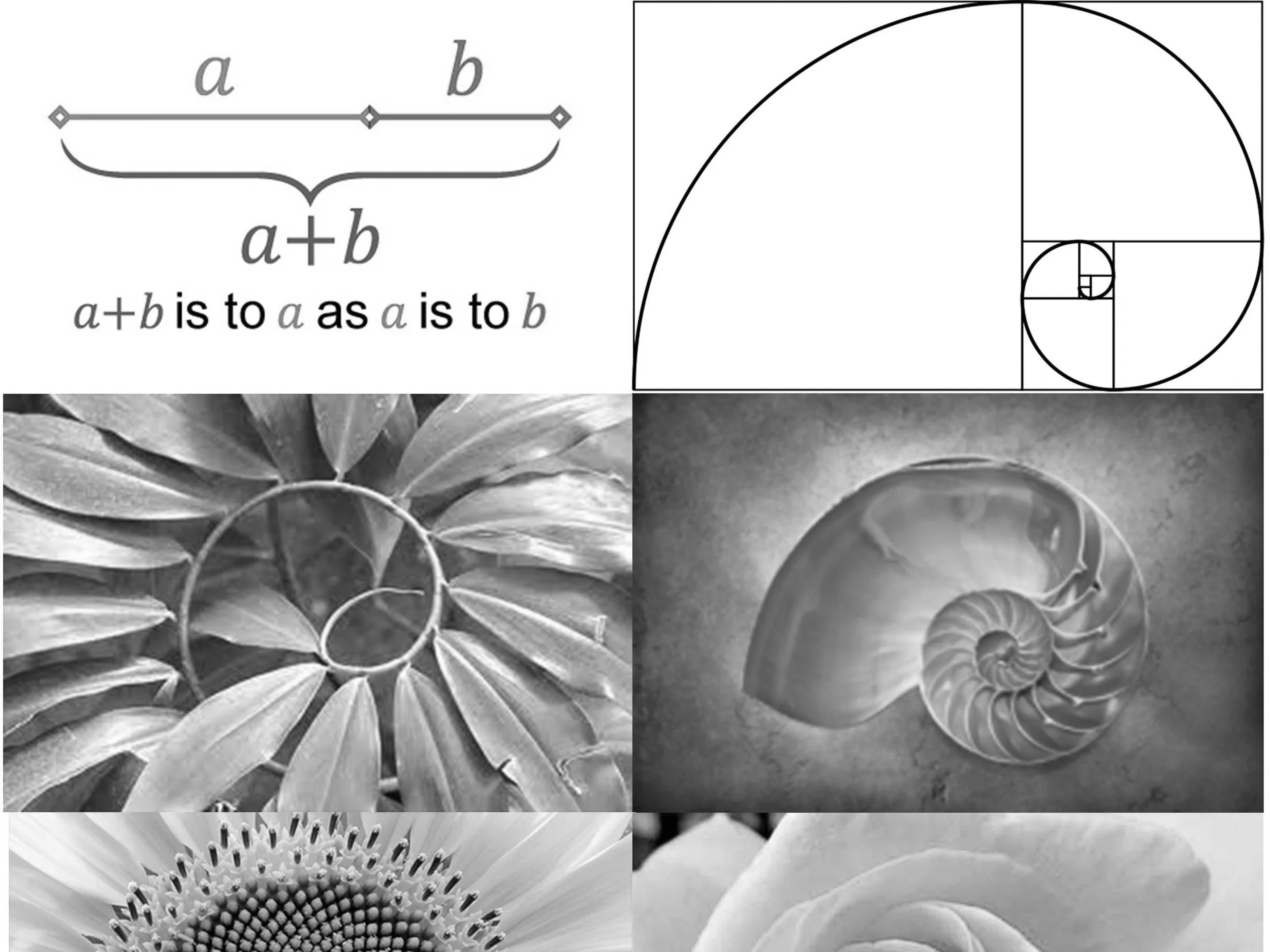
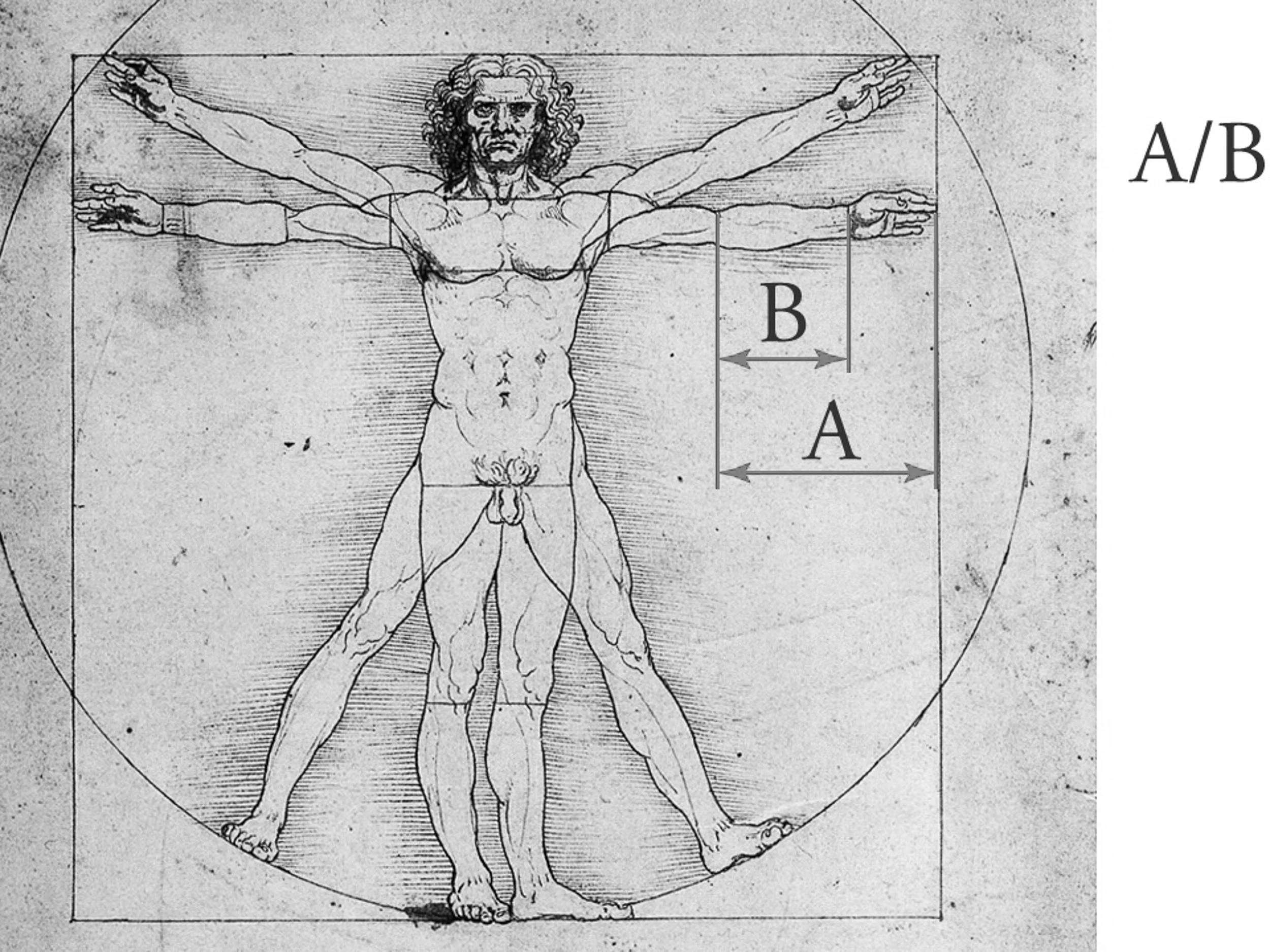
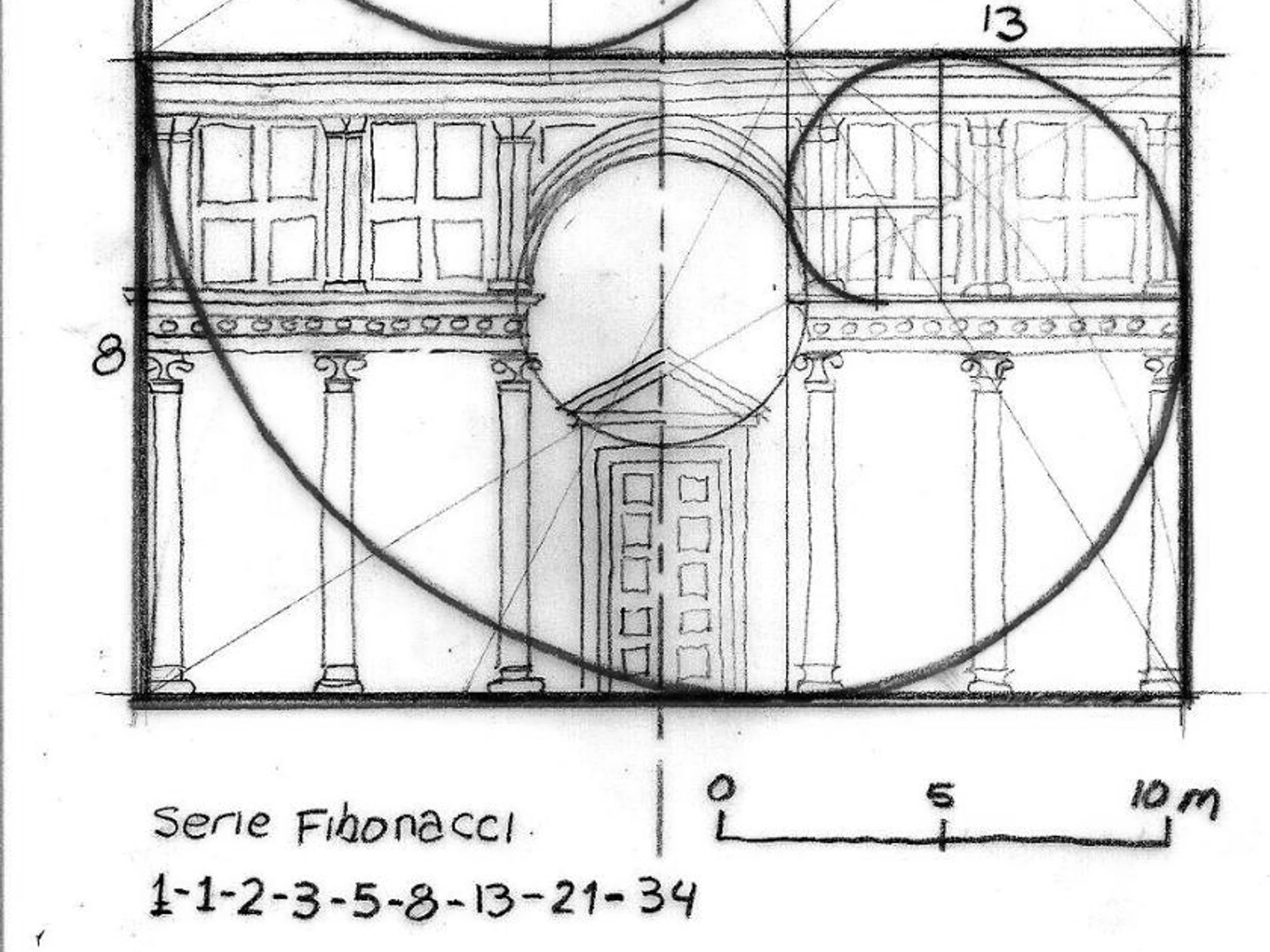
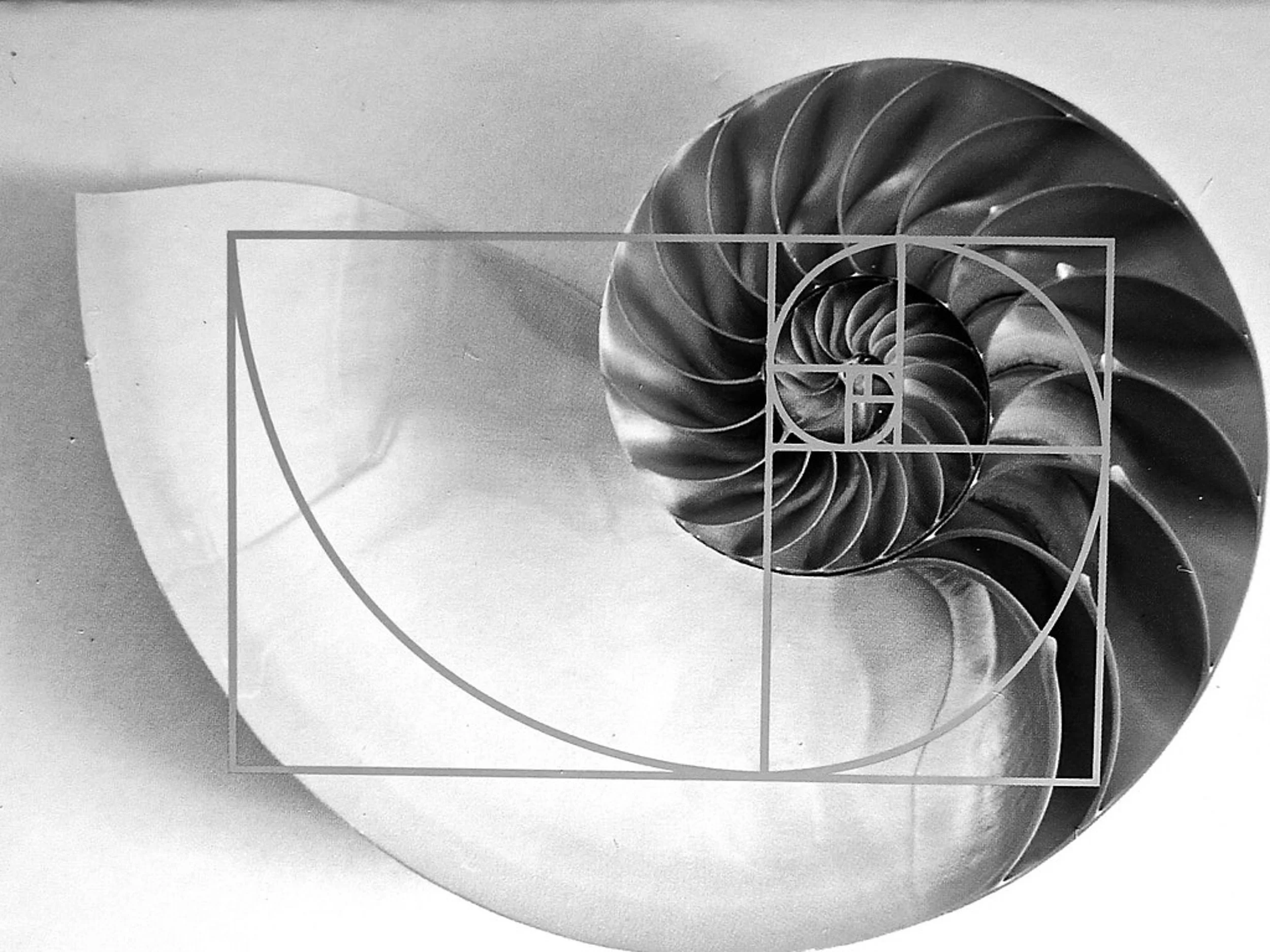
The Architecture of Antiquity explored these ideas through the mathematical and geometric relationships of the Golden Section. Known since antiquity, this proportional relationship provided a means of investigating connections among mathematics, geometry, nature, the human body, art, and architecture.
Through geometric construction and visual analysis, students explored proportion as an ordering principle—constructing the Golden Section and looking for proportional relationships in works of art, architecture, and the natural world.
STUDENT STUDIES
Using a ruler and compass, students constructed the Golden Section and investigated proportional relationships in works of art, architecture, and the natural world.